Plastic surgery is one of the most emotionally charged buying decisions a person can make.
Patients are not simply purchasing a service.
They are placing trust in someone who will directly impact how they look, how they feel about themselves, and how confident they feel walking through the world afterward.
That level of emotional weight changes how people evaluate plastic surgeons entirely.
Credentials matter. Before-and-after photos matter. Reviews matter.
But underneath all of that, patients are trying to answer a much deeper question:
Can I trust this person with something this personal?
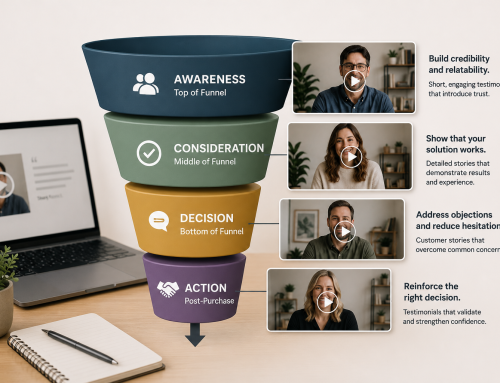
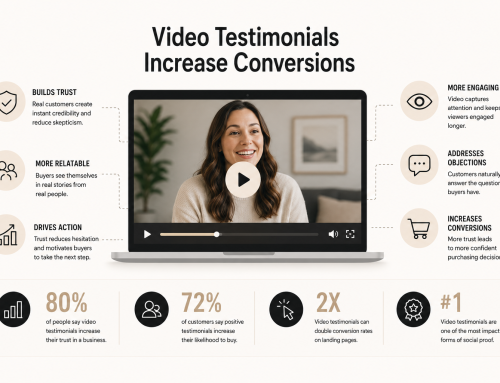
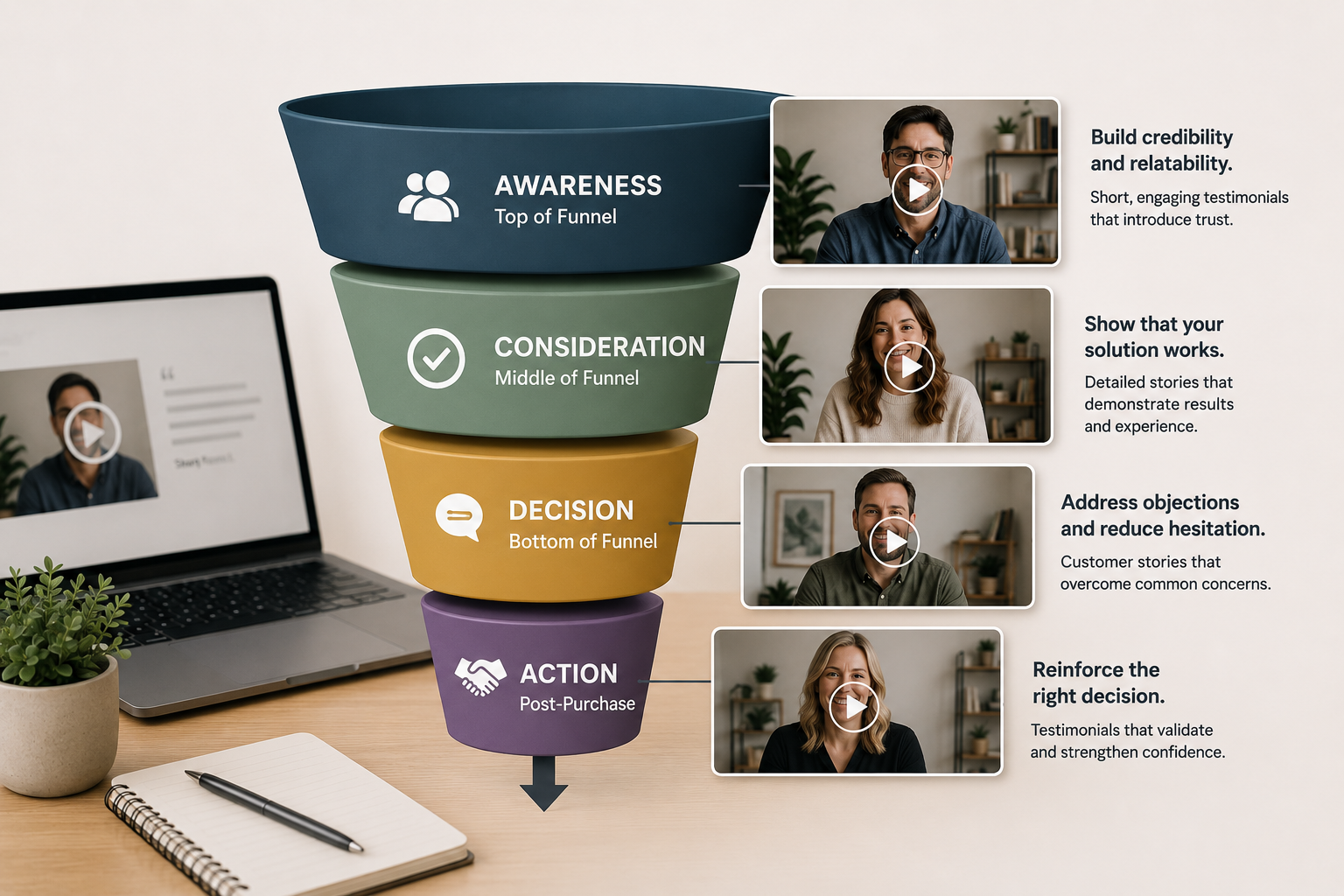
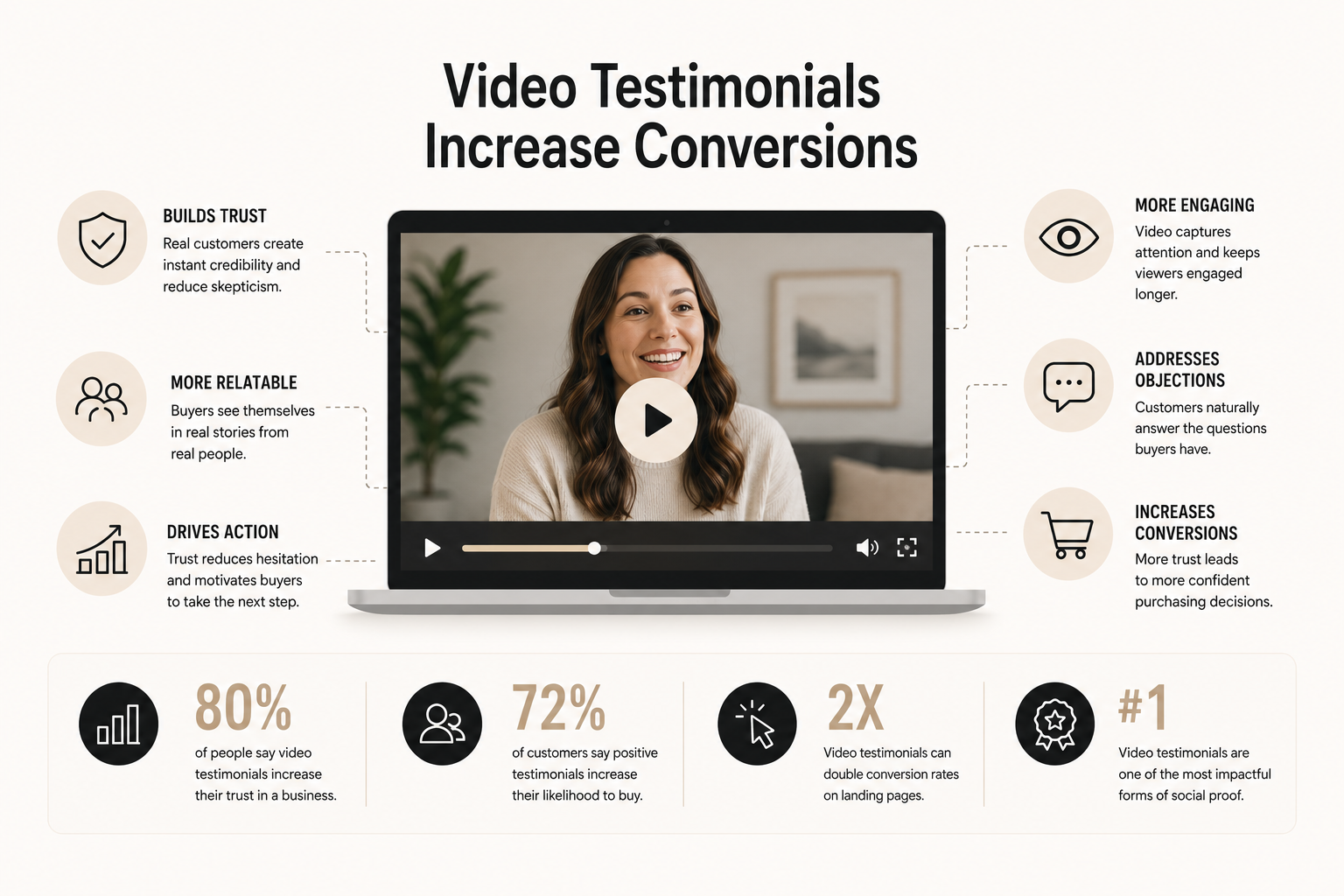
That’s why testimonial videos have become one of the most powerful trust-building tools in plastic surgery marketing.
Not because they “look good” on a website.
Because they reduce emotional uncertainty before the consultation ever begins.
Why Plastic Surgery Buyers Hesitate
Even highly interested patients often delay booking consultations.
Not because they are uninterested.
Because they are nervous.
They worry about:
-
making the wrong choice
-
regretting the procedure
-
feeling uncomfortable during the process
-
looking unnatural afterward
-
or not feeling emotionally supported
This hesitation exists long before pricing becomes part of the conversation.
And traditional marketing alone rarely solves it.
Beautiful branding and polished websites can create interest, but they do not necessarily create emotional safety.
That requires proof that feels human.
Why Testimonial Videos Work So Well For Plastic Surgeons
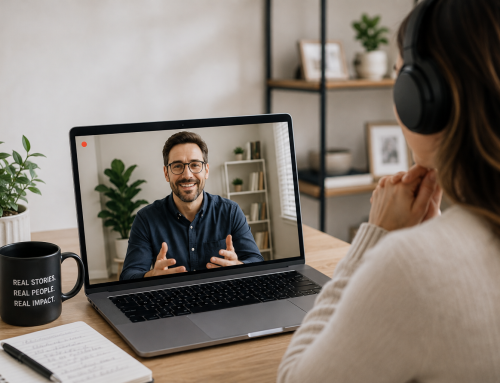
Testimonial videos allow potential patients to emotionally step into someone else’s experience.
Instead of hearing the surgeon explain how caring or skilled they are, the viewer hears directly from a real patient describing:
-
how they felt before the procedure
-
what concerns they had
-
what almost stopped them from moving forward
-
and how they felt afterward
That creates relatability.
The viewer begins thinking:
-
“That’s exactly how I feel.”
-
“I’ve had the same fear.”
-
“That’s the kind of outcome I want.”
This emotional alignment dramatically increases trust.
And trust is what ultimately drives consultations.
Why Written Reviews Alone Are Not Enough
Written reviews still matter.
But in plastic surgery, emotion is everything.
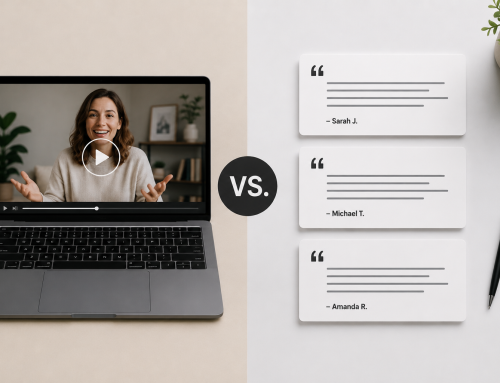
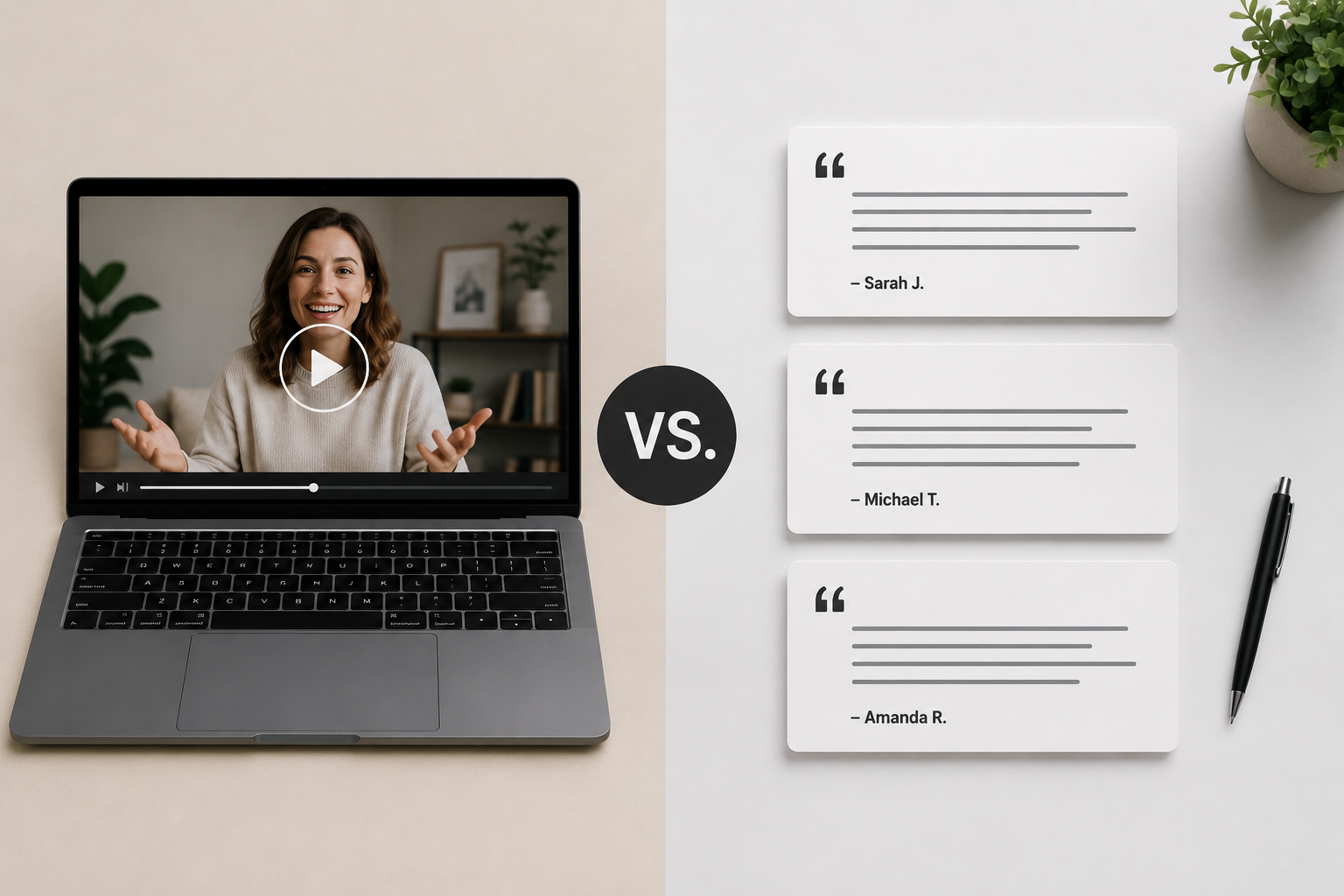
Video captures emotional honesty in a way text simply cannot. Patients can hear tone, see facial expressions, and observe confidence, relief, excitement, and vulnerability in real time.
That creates a much stronger sense of authenticity.
A written review may say:
-
“I’m so happy with my results.”
But a video testimonial allows someone to see what that happiness actually looks and sounds like.
That difference matters enormously in appearance-driven decisions.
The Best Plastic Surgery Testimonials Focus On Emotion, Not Just Results
One of the biggest mistakes clinics make is focusing only on physical transformation.
The strongest testimonial videos are not just about before-and-after visuals.
They are about emotional transformation.
Patients want to know:
-
Did this person feel nervous beforehand?
-
Did they feel cared for?
-
Did they feel heard?
-
Did they feel more confident afterward?
-
Did the experience feel safe and supportive?
That emotional journey is often more persuasive than the procedure itself.
Because patients are not just buying a result.
They are buying reassurance.
Why Overly Polished Testimonials Can Hurt Trust
There is a temptation in aesthetic industries to make everything look extremely polished.
But when testimonial videos become too scripted, too glamorous, or too commercial-feeling, buyers often become skeptical.
It starts feeling like advertising instead of reality.
Ironically, slightly more natural and conversational testimonials often perform better because they feel emotionally believable.
Patients trust honesty more than perfection.
A relaxed patient speaking genuinely about their experience will usually create more emotional trust than a heavily scripted production with flawless delivery.
What High-Converting Plastic Surgery Testimonials Include
The strongest testimonial videos tend to follow a similar emotional structure.
The patient explains:
-
what insecurity or concern they were struggling with
-
what hesitation they had before surgery
-
why they chose that specific surgeon
-
how they felt throughout the process
-
and what changed emotionally afterward
That structure mirrors the emotional journey future patients are currently experiencing themselves.
And that is what makes the testimonial persuasive.
Why Testimonials Improve Consultation Conversion Rates
Many plastic surgery practices focus heavily on generating leads.
But often, the bigger issue is consultation conversion.
A prospective patient may inquire but still feel uncertain leading up to the consultation itself. Strong testimonial videos help bridge that emotional gap by increasing familiarity and trust beforehand.
By the time the patient arrives, they often already feel:
-
emotionally connected to the practice
-
more confident in the surgeon
-
and less fearful about the process overall
That changes the quality of the consultation dramatically.
Where Testimonial Videos Work Best For Plastic Surgeons
Placement matters.
The highest-performing testimonial videos are usually integrated directly into moments where uncertainty naturally appears:
-
homepage sections
-
procedure pages
-
consultation booking pages
-
financing pages
-
social media ads
-
retargeting campaigns
-
and follow-up emails after inquiries
This allows the testimonial to reinforce trust precisely when hesitation is strongest.
Why Story Matters More Than Production
Beautiful visuals absolutely matter in aesthetic industries.
But production quality alone will not create trust.
The clinics seeing the strongest results are the ones capturing emotionally honest patient stories instead of simply producing polished promotional content.
Because buyers do not connect deeply with camera quality.
They connect with emotional truth.
The Bottom Line
Plastic surgery buyers are not just evaluating skill.
They are evaluating emotional safety.
Testimonial videos work because they help future patients see what the experience actually feels like through someone else’s eyes. They reduce uncertainty, build familiarity, and allow trust to form before the consultation even begins.
And in a business where trust drives decisions, that becomes one of the most powerful marketing assets a practice can have.