The moment a testimonial starts feeling like a commercial, trust begins dropping.
That is the problem with a large percentage of corporate testimonial videos. They are polished, scripted, and technically impressive, but emotionally disconnected.
The lighting looks perfect.
The branding looks expensive.
The edits feel clean.
And yet the viewer still does not fully believe it.
Because buyers are not looking for polished marketing anymore.
They are looking for emotional truth.
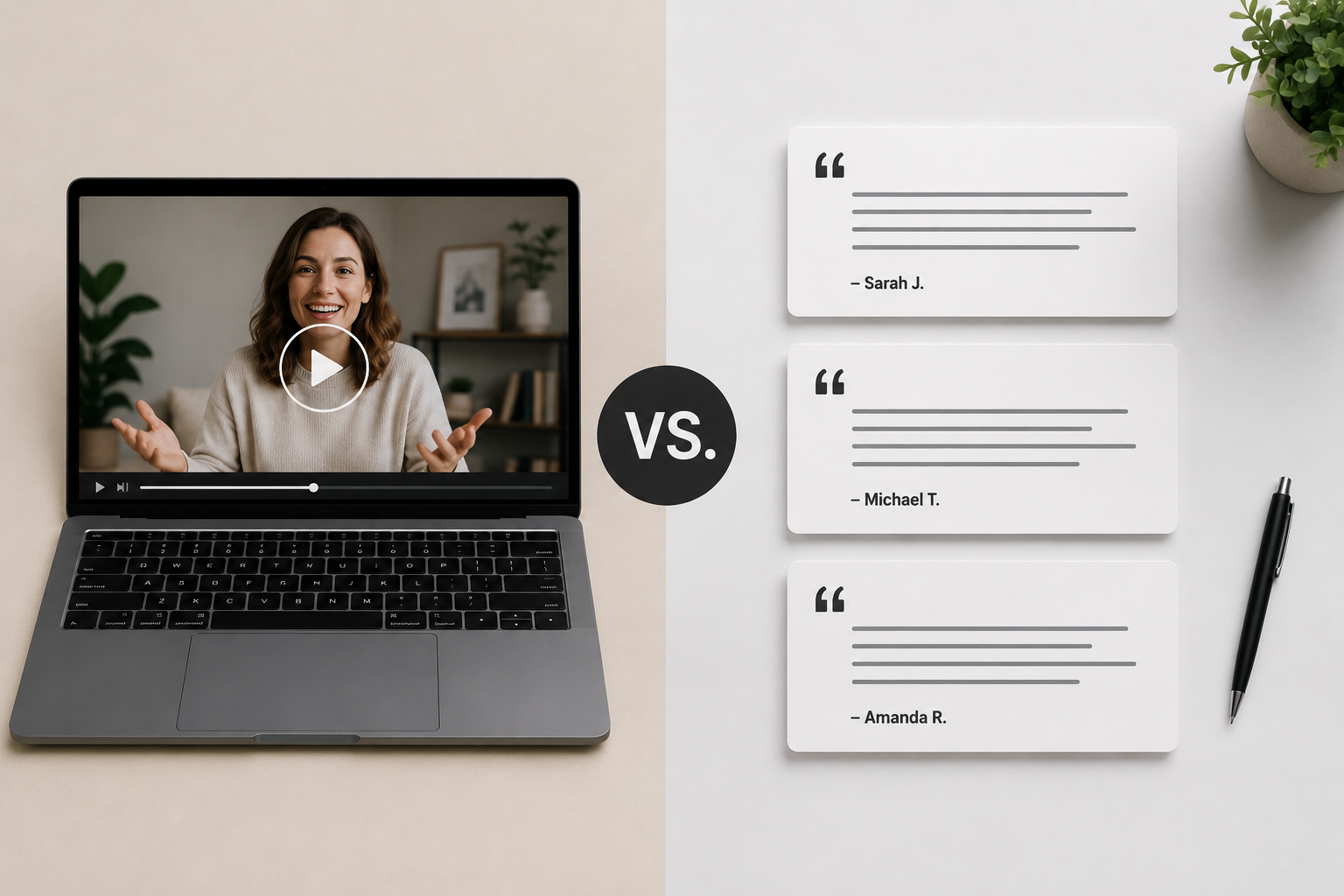
That is exactly why documentary-style testimonial videos have become so effective. They feel less like advertising and more like real human stories unfolding naturally.
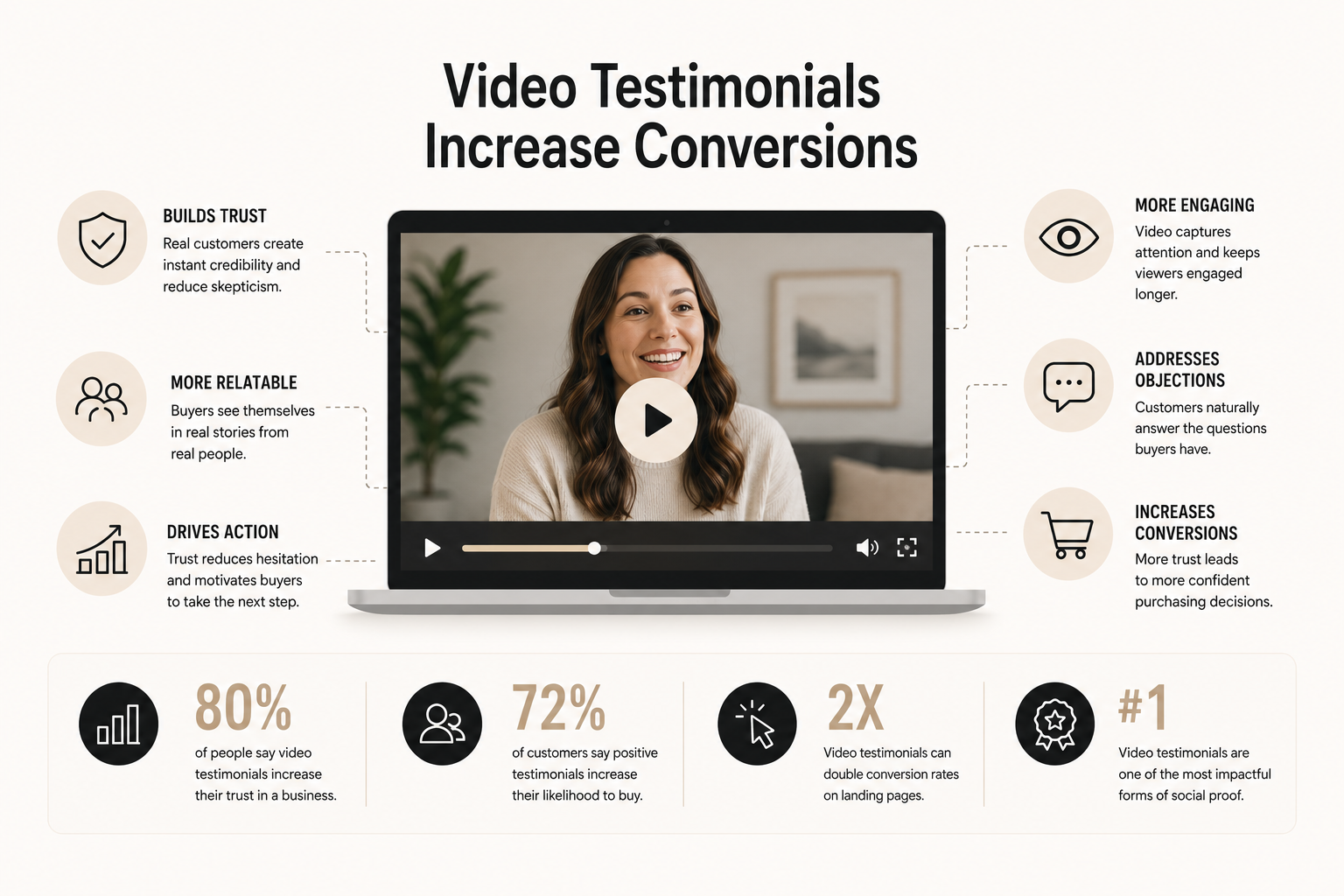
And in trust-driven industries, that difference can dramatically impact conversions.
What Makes Documentary-Style Testimonials Different
Traditional corporate testimonials are usually built around the company.
Documentary-style testimonials are built around the customer.
That distinction matters enormously.
Instead of simply praising the business, documentary-style testimonials focus on:
-
the customer’s struggle
-
emotional uncertainty
-
decision-making process
-
transformation
-
and lived experience afterward
The company becomes part of the story instead of the center of attention.
And that subtle shift makes the entire video feel significantly more believable.
Why Buyers Trust Documentary Storytelling More
Documentary storytelling feels emotionally honest because it mirrors how people naturally process experiences in real life.
The customer reflects on:
-
what was happening
-
what they were feeling
-
what concerns existed
-
and what changed over time
This creates emotional depth instead of surface-level praise.
The viewer is no longer simply hearing:
-
“This company was great.”
They are emotionally following someone’s journey.
And journeys create connection.
The Problem With Traditional Corporate Testimonials
A lot of corporate testimonials fail because they feel too controlled.
The customer speaks in polished soundbites that align perfectly with the brand messaging. Every sentence feels rehearsed. Every emotional moment feels edited for marketing purposes.
Viewers instinctively sense this.
Even if the production quality is high, skepticism quietly increases because the testimonial begins feeling manufactured instead of lived-in.
That is the danger of over-producing trust content.
The more something feels scripted, the less emotionally credible it becomes.
Documentary-Style Testimonials Feel Human
Documentary-style testimonials intentionally preserve realism.
The pacing feels more natural.
The emotional reflection feels less rehearsed.
The story unfolds more conversationally.
This creates authenticity.
And authenticity builds trust faster than polished perfection.
Buyers want to feel like they are hearing a real story from a real person, not consuming another carefully engineered marketing asset.
That emotional realism dramatically changes how the viewer responds.
Why Emotional Context Increases Conversions
One of the biggest strengths of documentary-style testimonials is emotional context.
Instead of immediately jumping into positive outcomes, the viewer first understands:
-
what problem existed
-
what emotional frustration was present
-
and what hesitation the customer experienced
This creates tension.
And tension is what makes transformation emotionally meaningful.
Without emotional context, even strong results can feel flat or unconvincing.
But when viewers fully understand the struggle beforehand, the outcome becomes far more persuasive.
Why Documentary Testimonials Work Especially Well In High-Trust Industries
Documentary-style testimonials perform exceptionally well in industries where emotional risk is high.
That includes:
-
healthcare
-
law firms
-
financial advising
-
consulting
-
coaching
-
wellness
-
and high-ticket services overall
In these industries, buyers are not simply evaluating technical capability.
They are evaluating emotional safety.
Documentary storytelling helps prospects emotionally imagine what it would feel like to trust the business.
And that dramatically affects decision-making behavior.
Why Authentic Imperfection Builds Credibility
One of the reasons documentary-style testimonials feel believable is because they allow room for imperfection.
The customer pauses.
Reflects.
Searches for words naturally.
Shows emotion honestly.
These moments are powerful because they feel real.
Traditional corporate edits often remove every imperfection in pursuit of polish, but those imperfections are frequently the very things that make the testimonial emotionally trustworthy.
People trust honest reflection more than polished performance.
How Documentary Testimonials Keep Attention Longer
Another advantage of documentary-style storytelling is retention.
People naturally engage more deeply with stories than promotional messaging because stories create curiosity and emotional momentum.
The viewer wants to know:
-
what happened next
-
how the customer solved the problem
-
and how the story ends
This increases watch time and emotional investment significantly compared to traditional corporate testimonial formats.
And higher engagement often leads directly to stronger conversion behavior.
Why B-Roll Matters More In Documentary Testimonials
Documentary-style testimonial videos often use b-roll differently as well.
Instead of relying heavily on generic stock footage or flashy transitions, the visuals support emotional storytelling:
-
real work environments
-
natural interactions
-
authentic moments
-
daily routines
-
and subtle observational footage
This makes the testimonial feel grounded in reality instead of overly commercial.
The viewer feels like they are witnessing a real experience unfold.
Why Remote Documentary Testimonials Often Work Extremely Well
Interestingly, documentary-style testimonials do not always require massive production setups.
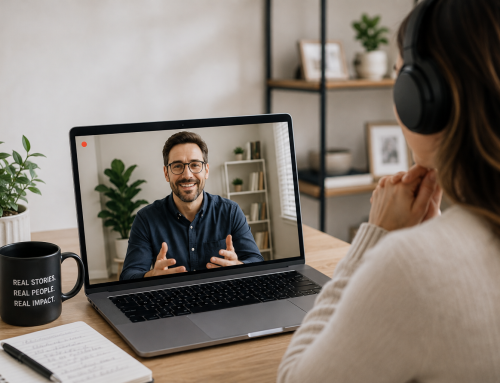
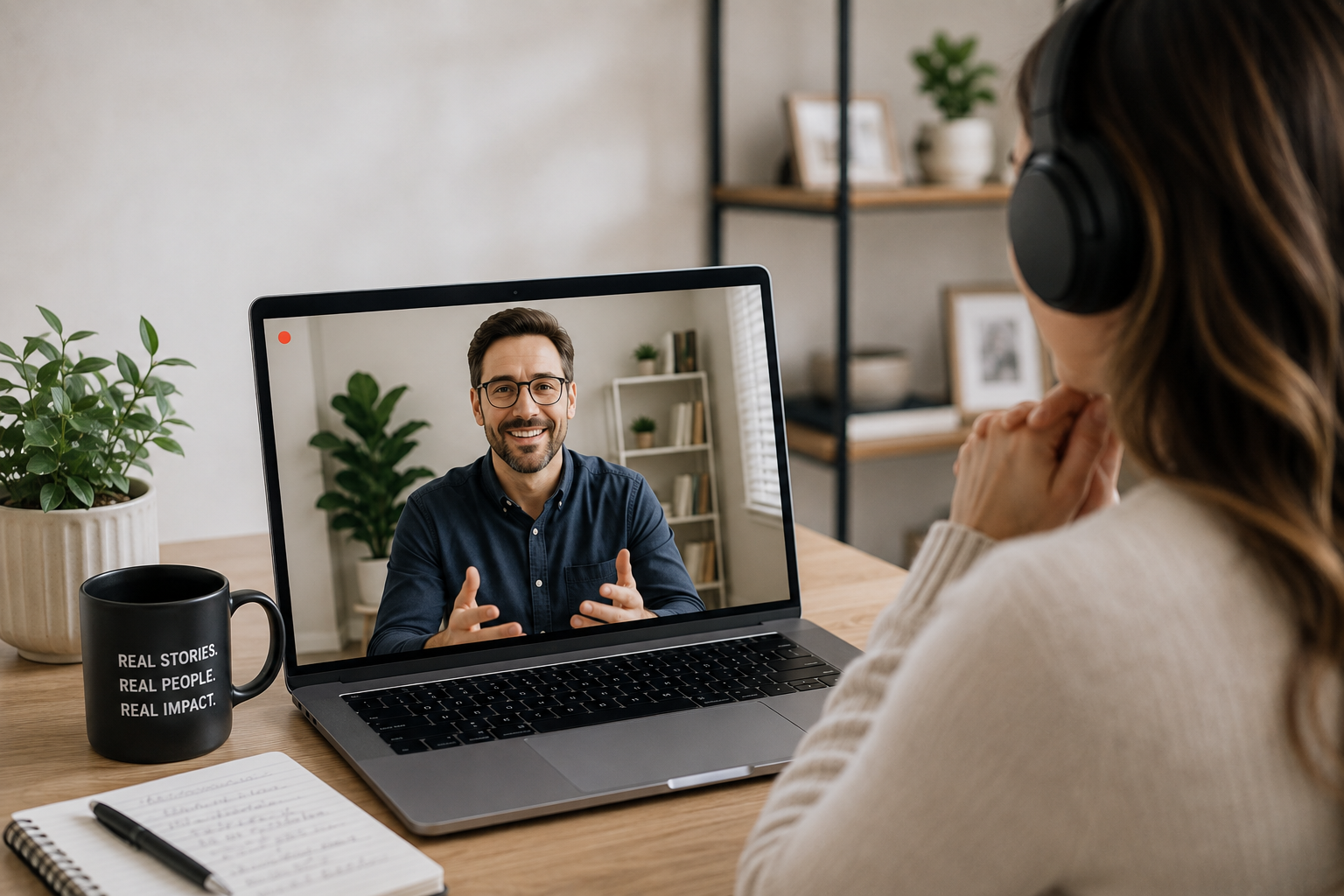
Many powerful documentary-style testimonials are recorded remotely using tools like Riverside or Zoom because conversational environments naturally create more emotional honesty.
The key is not production scale.
It is emotional authenticity.
What Businesses Get Wrong About “Professionalism”
Many companies confuse professionalism with emotional distance.
They assume:
-
tighter scripting
-
more polished visuals
-
and cleaner delivery
automatically create stronger trust.
But often the opposite happens.
The businesses seeing the strongest testimonial performance are the ones preserving humanity instead of polishing it away.
Because buyers do not emotionally connect with perfect marketing.
They connect with believable stories.
The Bottom Line
Documentary-style testimonial videos convert better because they feel emotionally real.
They focus on the customer’s journey instead of corporate messaging, preserve authenticity instead of over-polishing it, and create emotional connection through storytelling instead of sales language.
And in modern marketing, emotional trust is what drives decisions.
Not perfection.