Nobody wakes up wanting to watch a testimonial video.
What they actually want is certainty.
They want to know:
-
if your business is legitimate
-
if your service actually works
-
if someone like them has already taken the risk and gotten a good outcome
That’s the deeper reason testimonial videos perform so well.
Not because people love testimonials.
Because people hate uncertainty.
And in crowded markets where buyers are comparing options quickly, trust becomes the deciding factor long before features, pricing, or deliverables do.
The Modern Buyer Is More Skeptical Than Ever
Today’s buyers are overwhelmed with marketing.
Every company claims to be the best. Every website says they care about clients. Every brand promises results.
After seeing thousands of ads, polished websites, and exaggerated claims, buyers have become extremely good at filtering out self-promotion.
That creates a problem.
The more directly a company tries to convince someone, the more resistance it often creates.
This is why traditional marketing alone has become less effective over time.
People trust other people more than they trust brands.
And testimonial videos tap directly into that psychology.
Why Testimonials Feel Different From Advertising
A testimonial video changes the dynamic completely.
Instead of hearing the company explain why it is trustworthy, the buyer hears from someone who already made the decision and lived through the experience.
That distinction matters.
The customer is no longer evaluating promises.
They are evaluating evidence.
And evidence feels safer.
Especially when the testimonial includes:
-
emotional honesty
-
real hesitation
-
specific details
-
and believable transformation
That’s when trust starts building rapidly.
Trust Is Built Through Relatability
One of the biggest reasons testimonial videos work is because buyers mentally insert themselves into the story.
When someone explains:
-
the problem they were facing
-
the uncertainty they felt
-
what almost stopped them from moving forward
-
and what changed afterward
the viewer begins comparing that story to their own situation.
That creates emotional alignment.
Instead of thinking:
-
“This company looks impressive”
they begin thinking:
-
“That sounds exactly like me.”
That shift is incredibly powerful because buyers trust experiences that feel personally relatable.
Video Creates Emotional Credibility
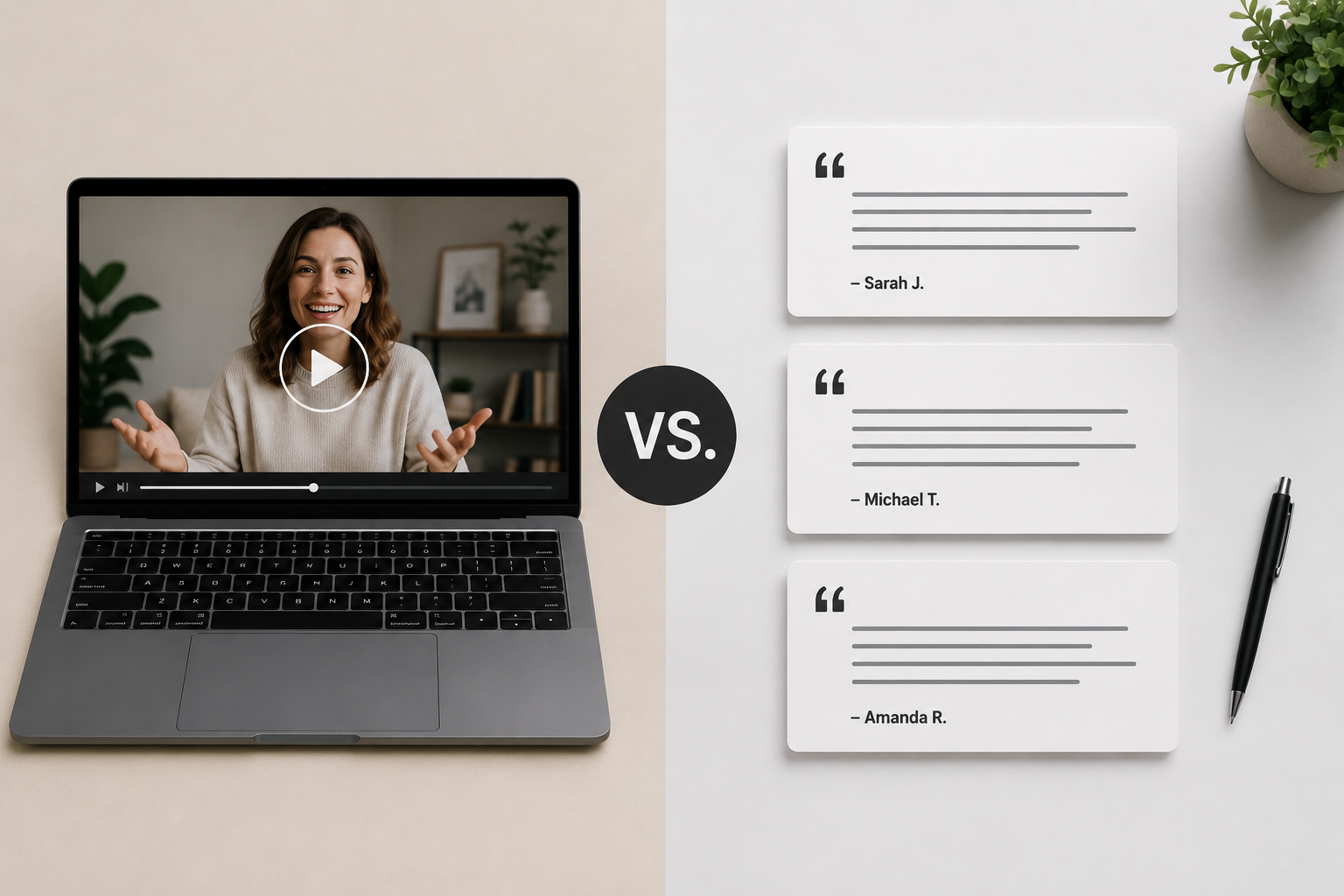
Written testimonials can still be valuable.
But video adds another layer entirely.
People subconsciously evaluate:
-
tone of voice
-
facial expressions
-
pauses
-
emotional reactions
-
confidence
-
and authenticity
All of these signals help viewers determine whether they believe the story.
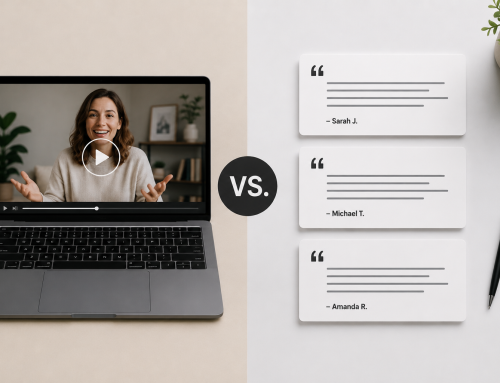
That’s why video testimonials often create stronger trust than text alone. The viewer feels like they are hearing directly from a real person instead of reading a curated statement on a website.
And in high-trust industries especially, that emotional credibility matters enormously.
Why Authenticity Outperforms Perfection
There’s a reason overly polished testimonials often underperform.
The more controlled something feels, the less buyers trust it.
Perfect wording, heavily scripted delivery, and over-produced editing can unintentionally make a testimonial feel more like advertising than reality.
Ironically, slight imperfections often increase trust.
A natural pause, emotional reflection, or conversational delivery makes the testimonial feel more believable because it resembles how real people actually communicate.
Buyers are not looking for perfection.
They are looking for honesty.
Trust Shortens The Sales Process
One of the biggest overlooked benefits of testimonial videos is how they change the quality of sales conversations.
When buyers already trust you before the call, everything becomes easier.
Less skepticism.
Fewer defensive questions.
Less pressure to “prove yourself.”
The testimonial already started doing that work.
By the time the buyer enters the conversation, they often feel:
-
more emotionally comfortable
-
more informed
-
and more certain that your business understands their situation
That dramatically changes sales dynamics.
Why Generic Testimonials Fail To Build Trust
Not all testimonials create trust equally.
Generic praise rarely works.
Statements like:
-
“Amazing experience”
-
“Highly recommend”
-
“Great company”
sound positive, but they lack emotional depth and specificity.
They do not help buyers understand:
-
what problem existed
-
why the customer hesitated
-
what changed afterward
-
or why the experience mattered
Without those elements, the testimonial becomes forgettable.
Strong trust-building testimonials feel like real stories, not generic endorsements.
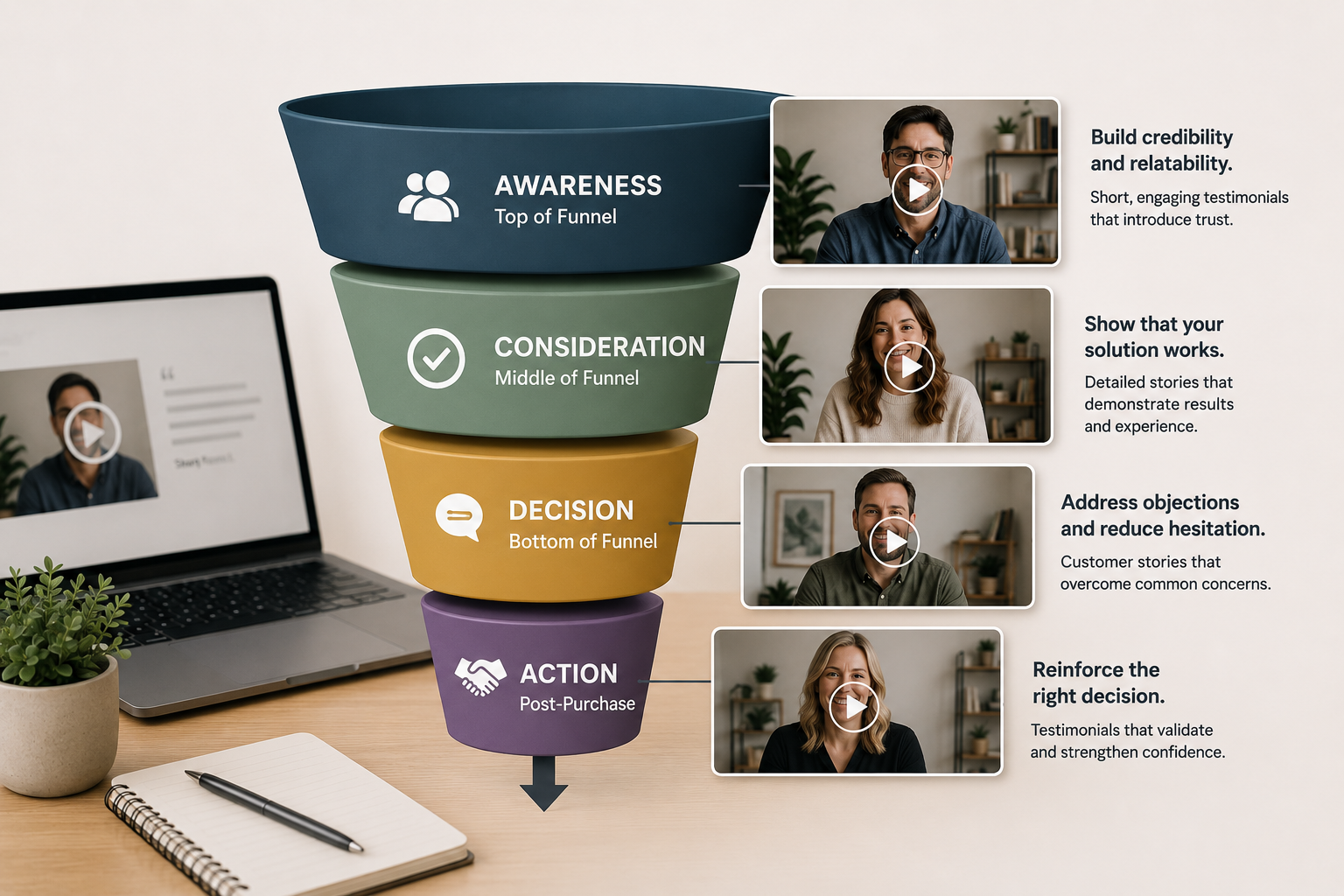
Where Testimonial Videos Build Trust Most Effectively
Placement matters.
A testimonial hidden on a separate page often loses much of its impact because buyers encounter it too late or not at all.
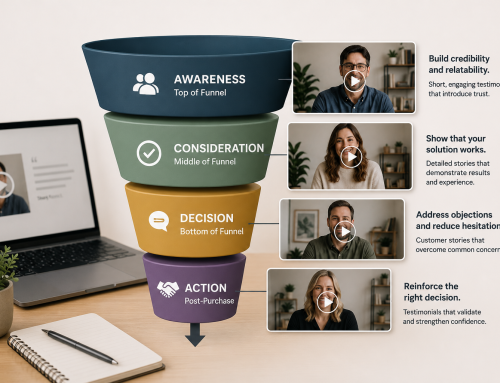
The strongest testimonial videos are integrated directly into moments where hesitation naturally appears:
-
homepages
-
service pages
-
pricing pages
-
sales emails
-
consultation booking pages
-
proposal follow-ups
This allows the testimonial to function as reassurance exactly when the buyer needs it most.
That timing matters more than most businesses realize.
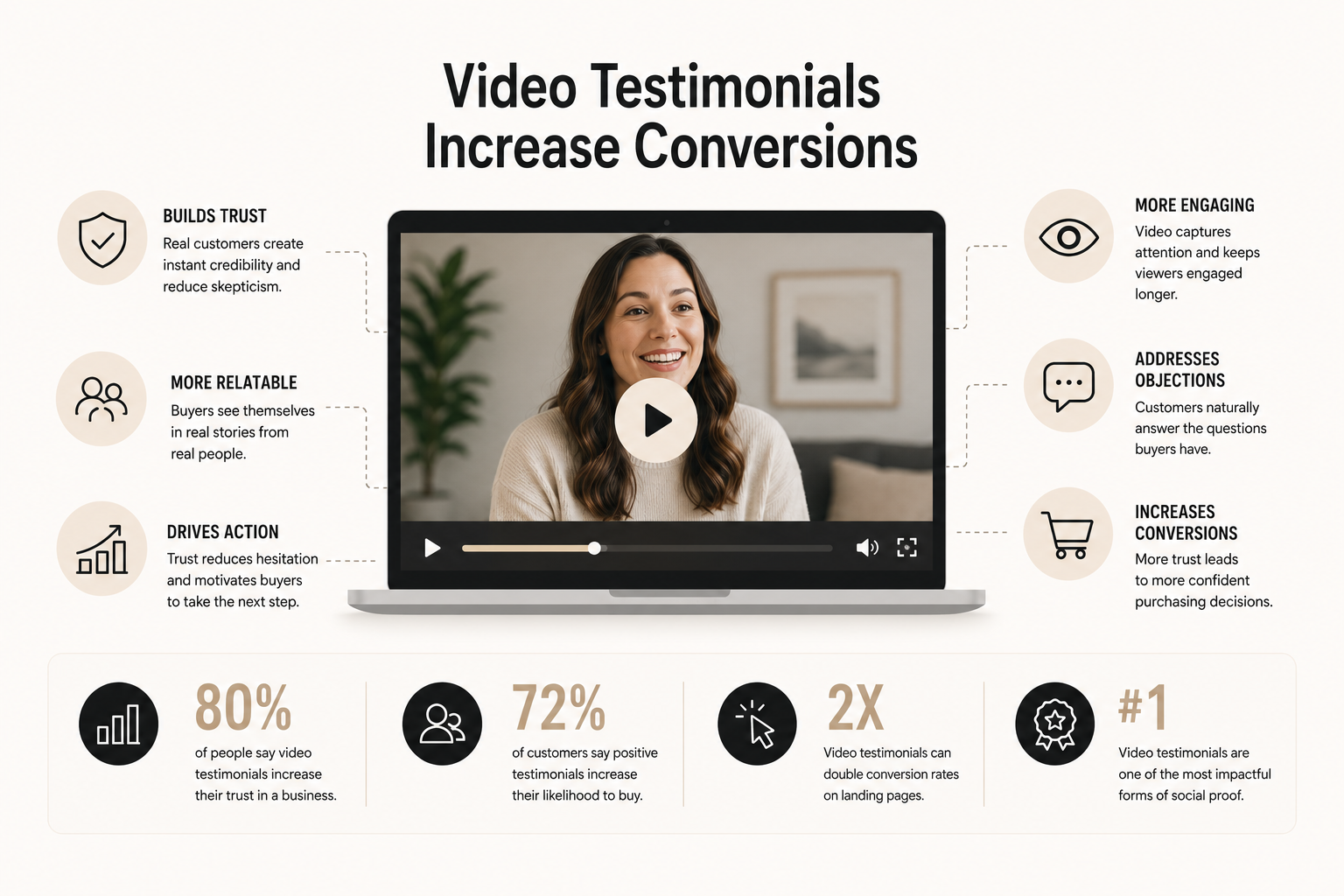
Trust Is Ultimately What Drives Conversions
People rarely buy when they are uncertain.
They buy when they feel safe enough to move forward.
That’s why testimonial videos are so powerful.
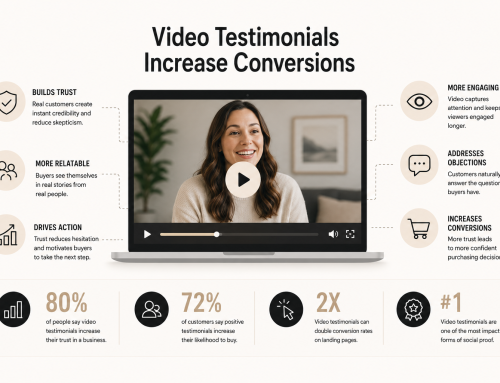
They reduce emotional friction in a way traditional marketing struggles to achieve because they allow buyers to see proof through someone else’s lived experience instead of through brand messaging alone.
And in markets where trust determines who wins the business, that becomes a massive advantage.
The Bottom Line
Testimonial videos increase buyer trust faster because they feel human.
They replace marketing claims with real experiences, reduce uncertainty through relatability, and allow buyers to emotionally process the decision before ever speaking to your team.
But the testimonials that build the most trust are not the most polished ones.
They are the ones that feel honest, specific, and emotionally real.
Because at the end of the day, buyers do not trust perfect marketing.
They trust believable stories.